Guest Blogger:
Pediatric Occupational Therapists
Gwinnett County Public Schools

Why Hand Strength Matters
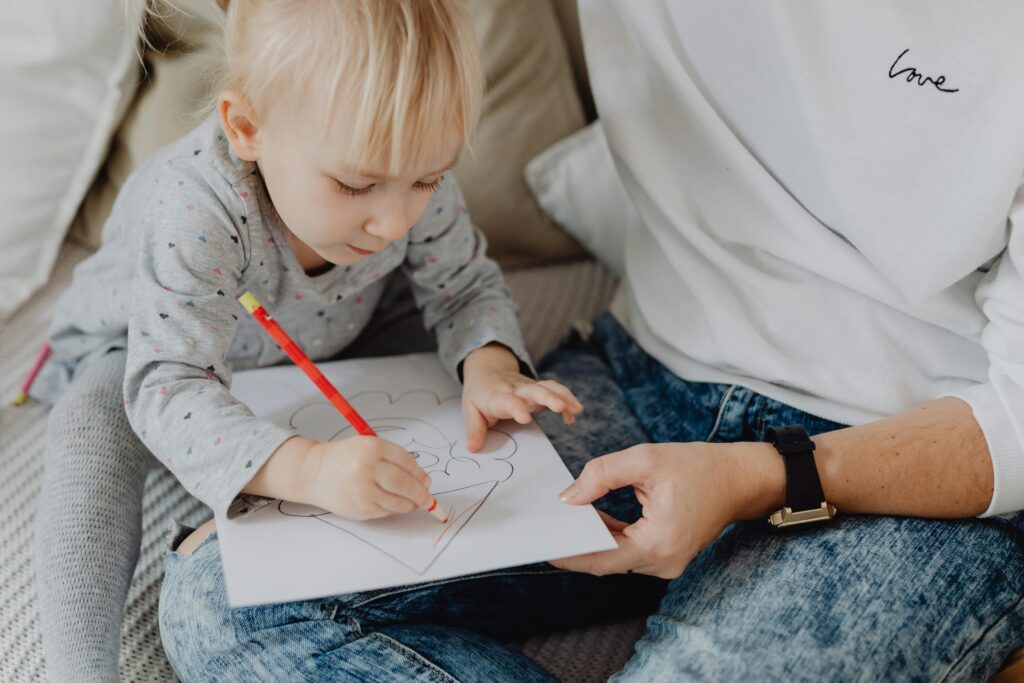
Before kids can write well, they need strong hands and fingers. Many children hold pencils or crayons in awkward ways because their muscles aren’t strong enough yet. This can make writing tiring and frustrating. That’s why it’s important to help your child build hand strength through play.
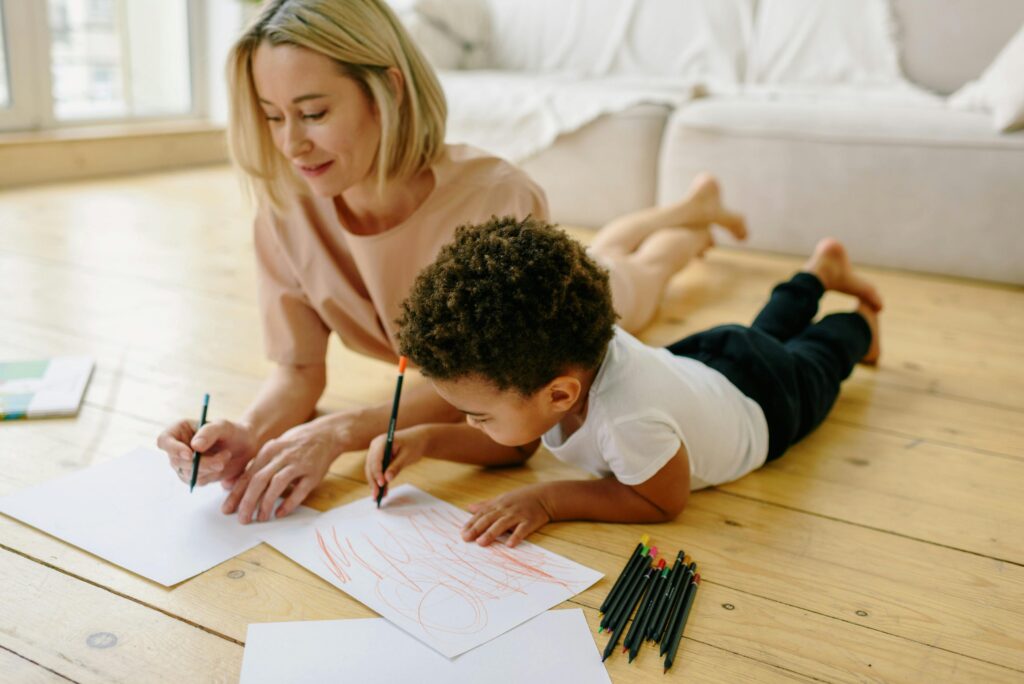
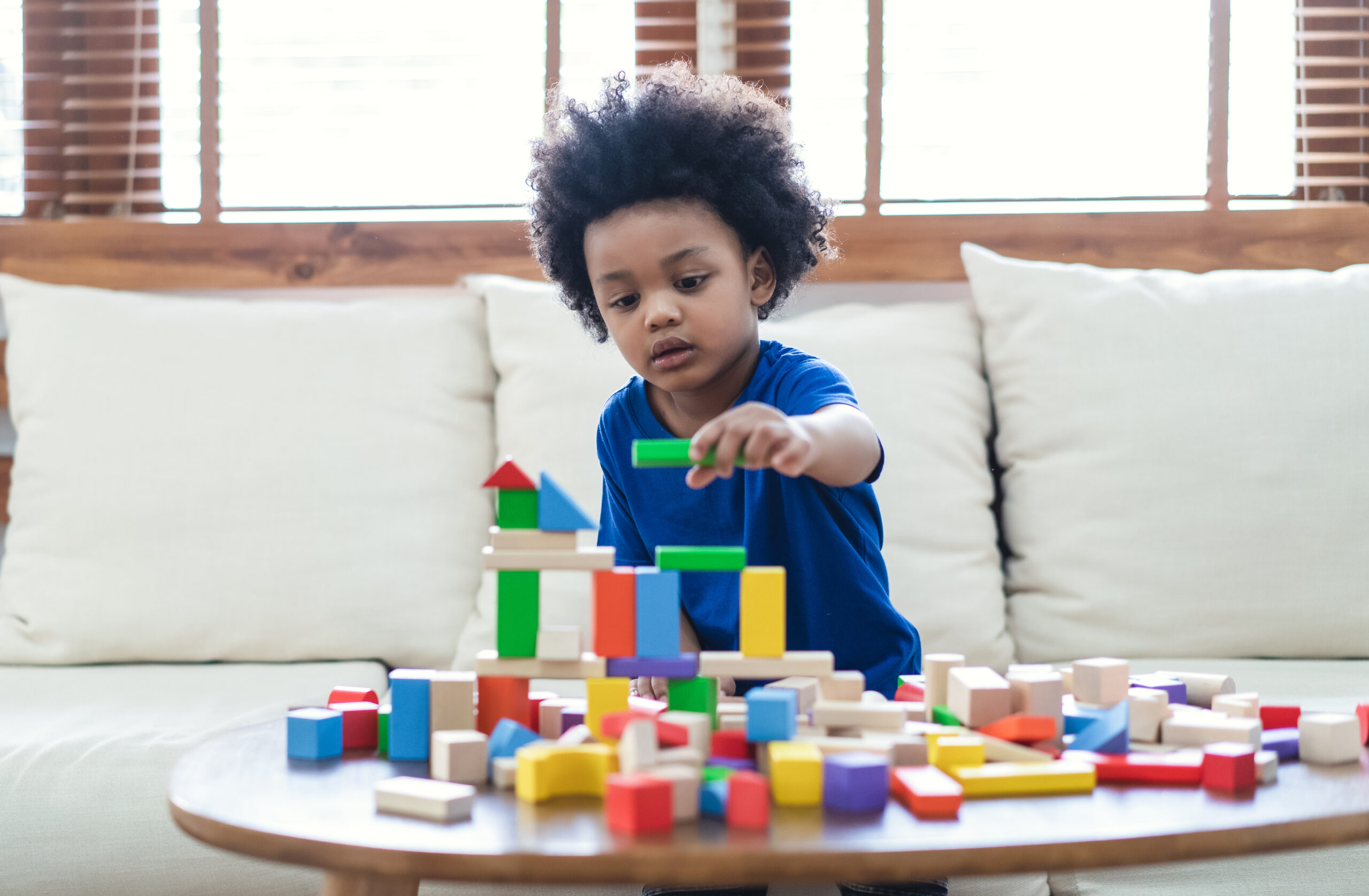
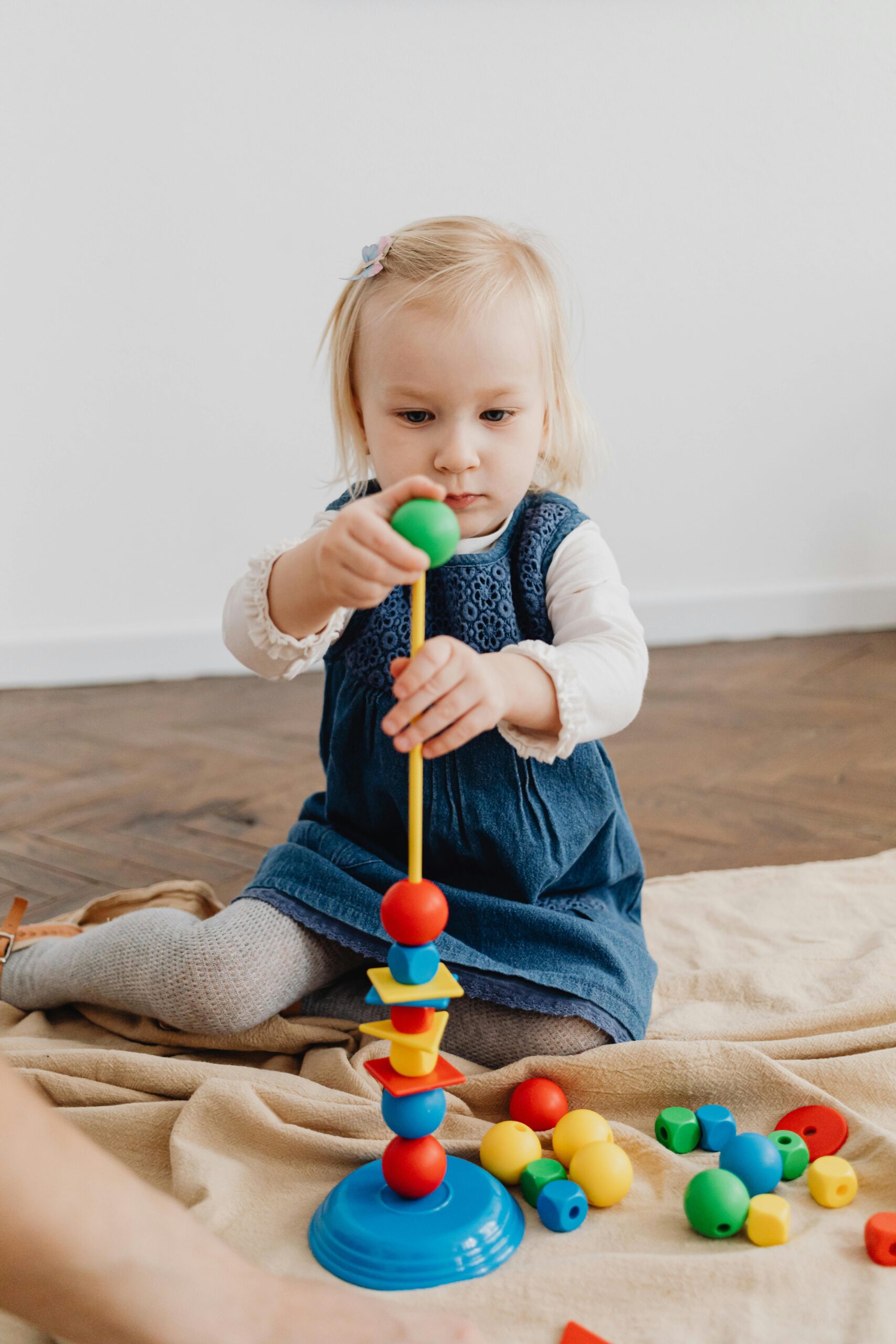
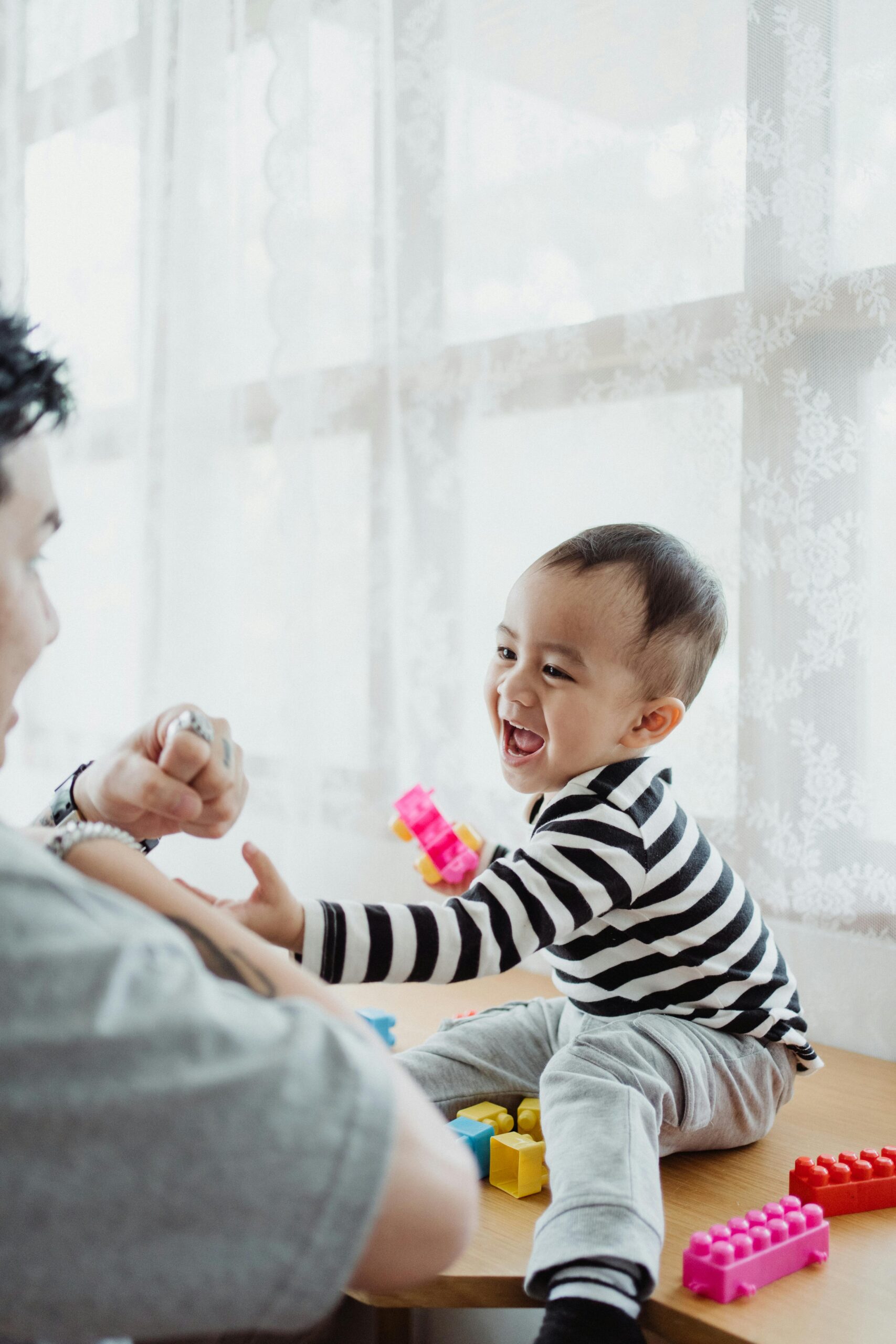
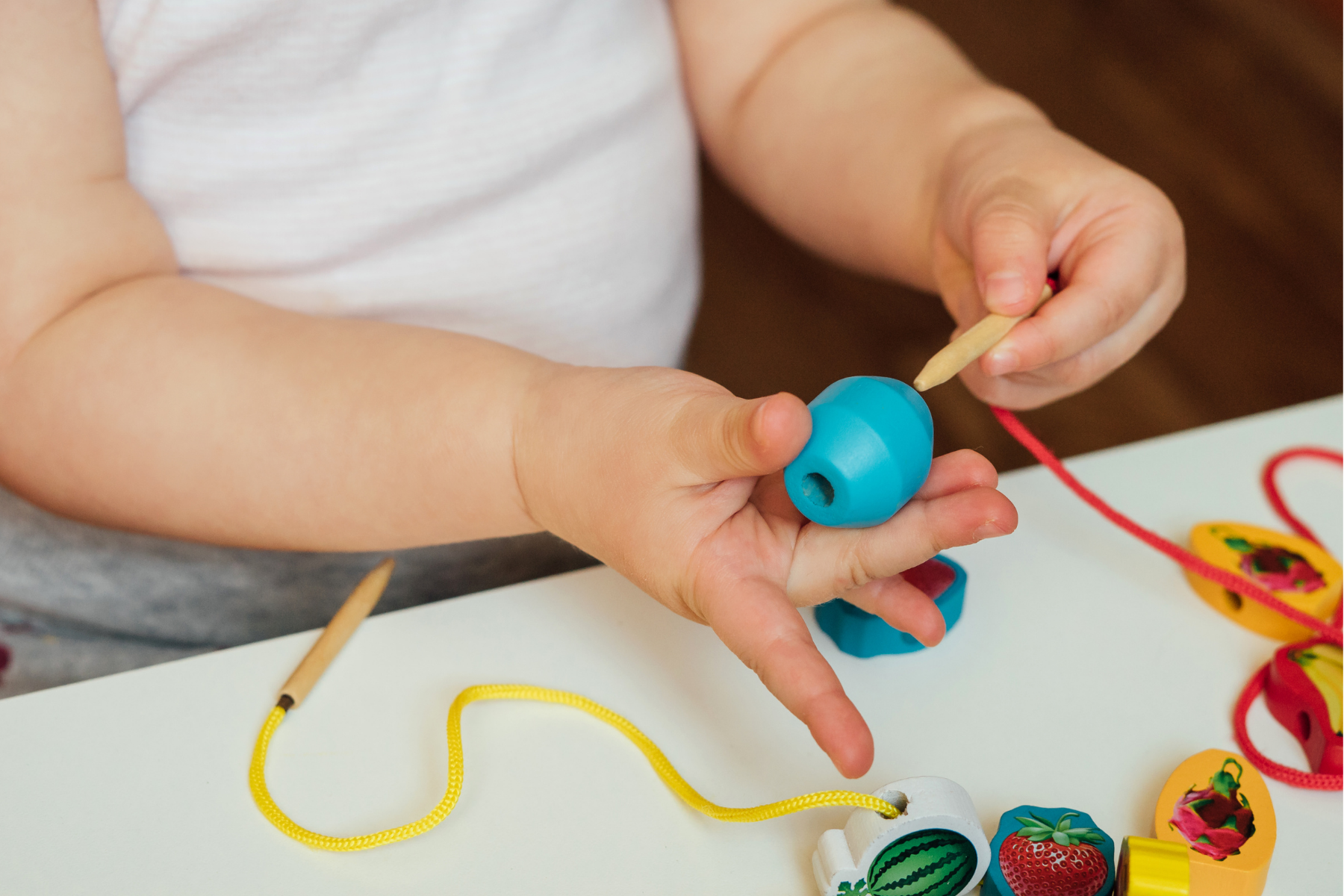
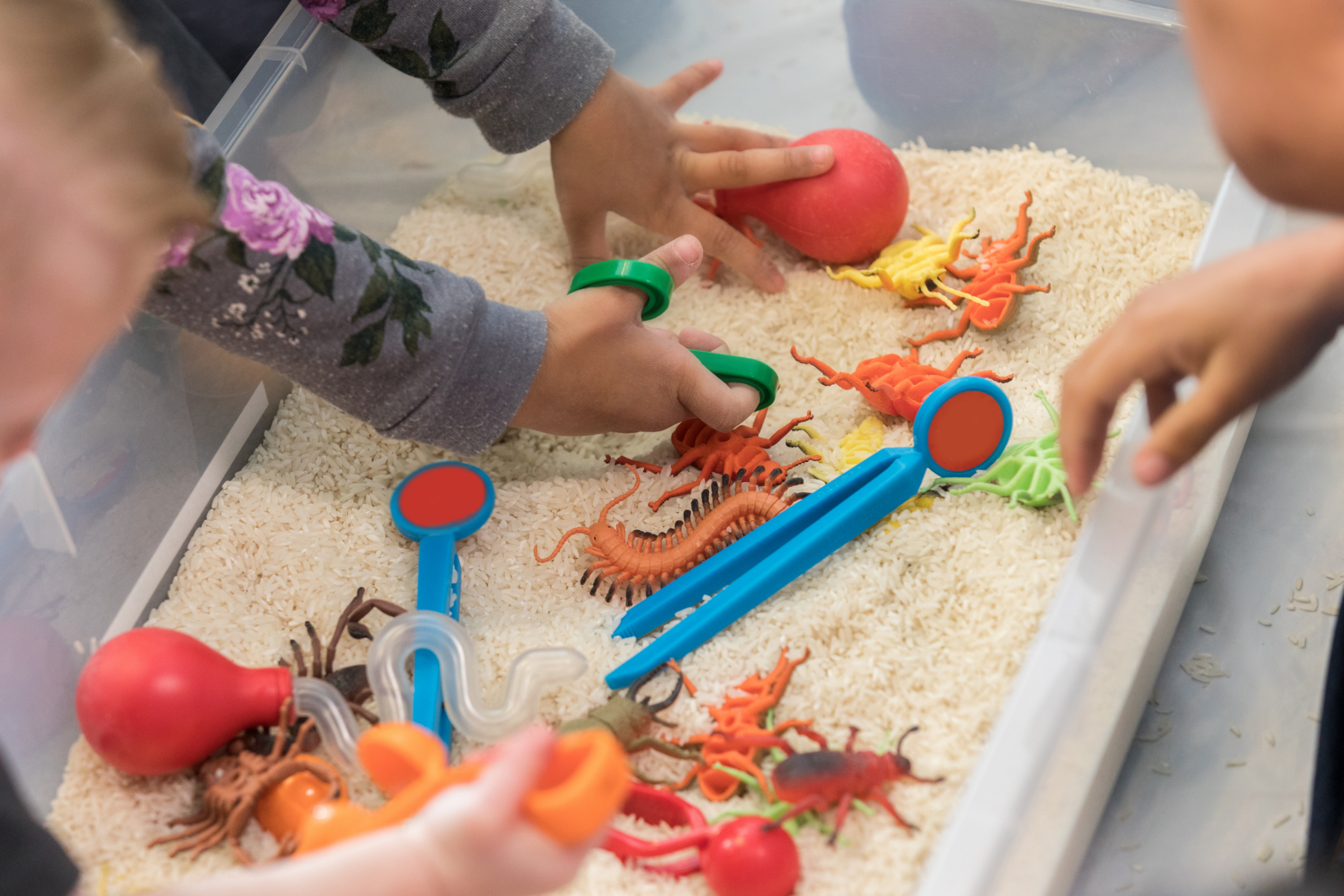
Activities like playing with small toys, squeezing play-dough, and using clothespins or tweezers can help. These tasks work the small muscles in the hands and fingers, which are needed for gripping writing tools. You can also encourage your child to string beads, build with building blocks, or use tongs to pick up small objects. These are fun ways to build strength without making it feel like work.
Holding Writing Tools the Right Way
There are many ways kids might hold pencils, markers, or crayons, but not all of them are helpful. The best grip is called the “tripod grasp,” where the pencil rests between the thumb and index finger, supported by the middle finger. This grip gives the most control and helps kids write neatly and comfortably.
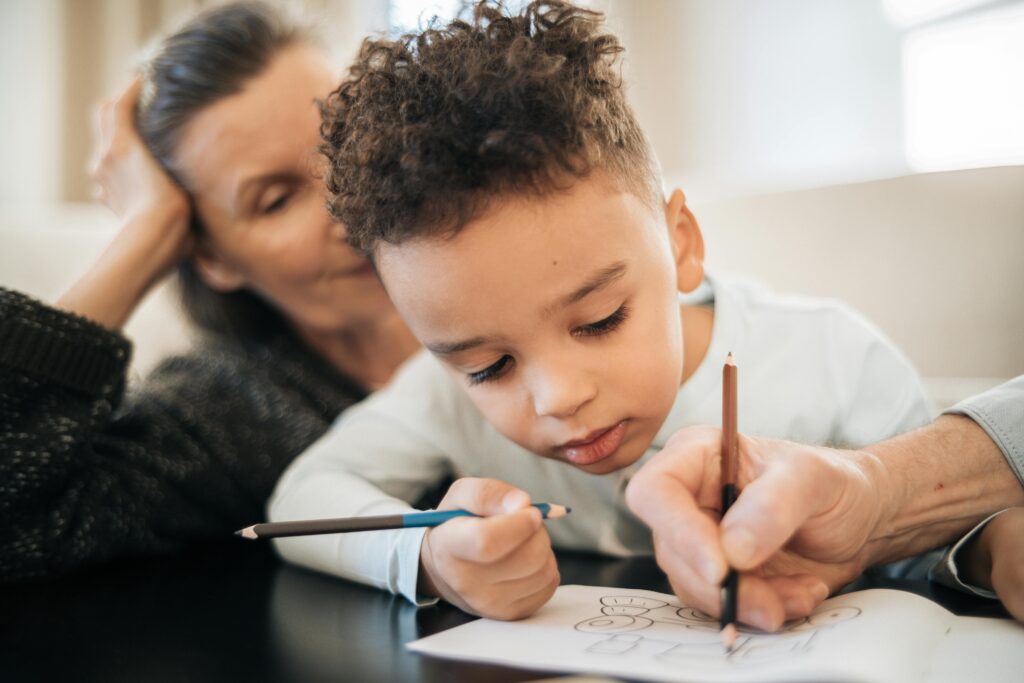
If your child struggles with holding their pencil correctly, try these tips:
- • Use small writing tools: Short pencils or broken crayons make it harder to grip incorrectly.
- • Try pencil grips: These are soft attachments that slide onto pencils and guide finger placement.
- • Use a palm helper: Have your child hold a small item (like a pompom or coin) in their palm with their ring and pinky fingers. This keeps those fingers out of the way and encourages proper grip.
- It’s important to be patient. Changing how a child holds a pencil can be hard, especially if they’ve been doing it a certain way for a long time. Instead of correcting them constantly, offer tools and strategies that guide them gently toward better habits.
Sensory Trays
A Fun Way to Practice Writing
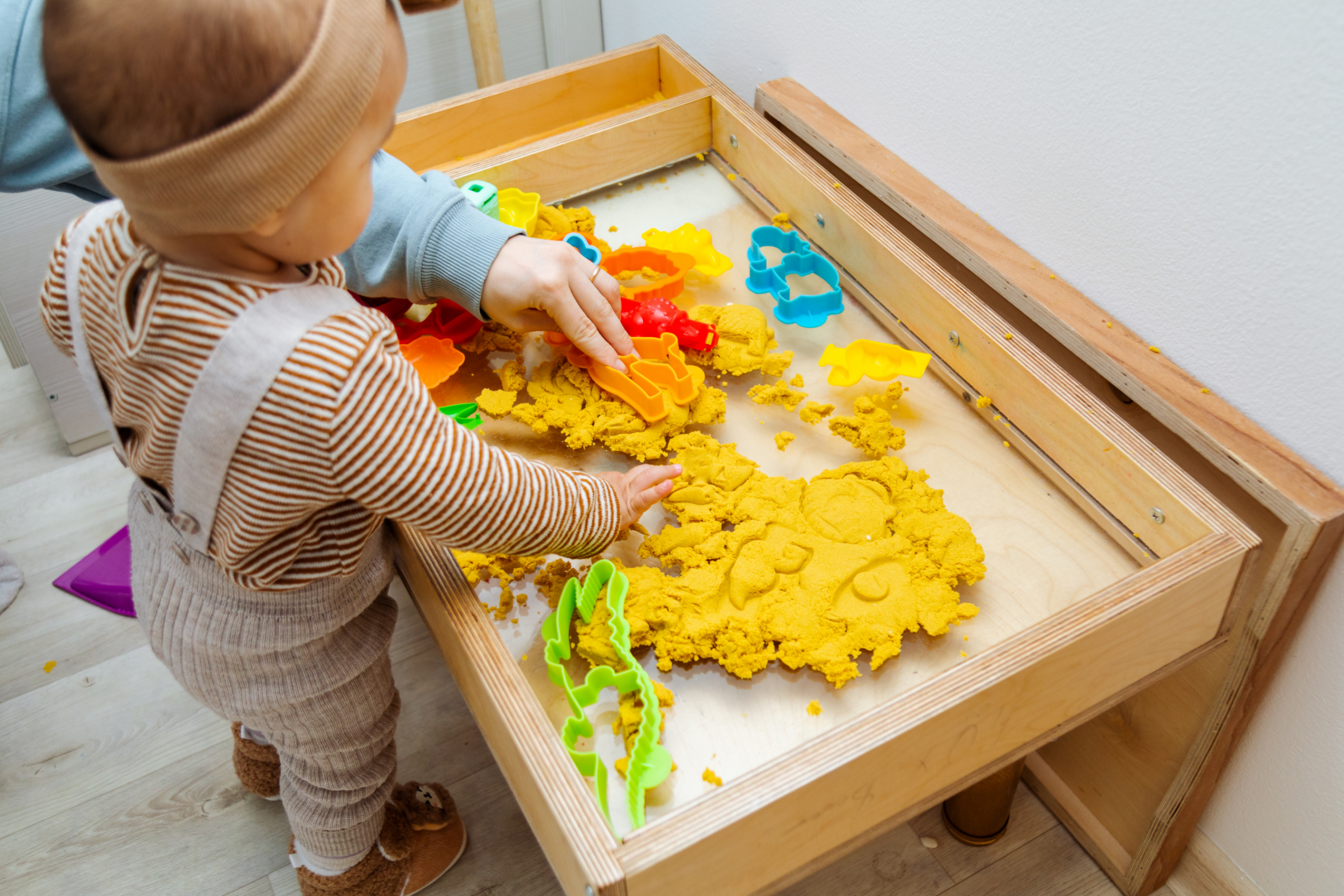
Sensory trays are a great way to help kids learn how to form letters, numbers, and shapes. These trays can be filled with materials like sand, rice, flour, shaving cream, or play-dough. Kids can use their fingers or tools like pencils, toothpicks, or dowel rods to draw in the tray.
This kind of activity gives children sensory feedback, which helps them remember how to form letters. It also makes writing more fun and less stressful. You can even press beads, buttons, or small rocks into the grooves of letters to make the shapes stand out.
Here are some ideas for sensory tray materials:
• Sand or colored rice
• Sugar or flour
• Shaving cream or slime
• Birdseed or crushed chalk
• Play-dough or clay
You don’t need a fancy tray—just use a baking sheet, box lid, or even a tabletop. The goal is to give your child a space to explore writing with different textures and tools.
Play-Dough Power
Strengthening Fingers Through Play
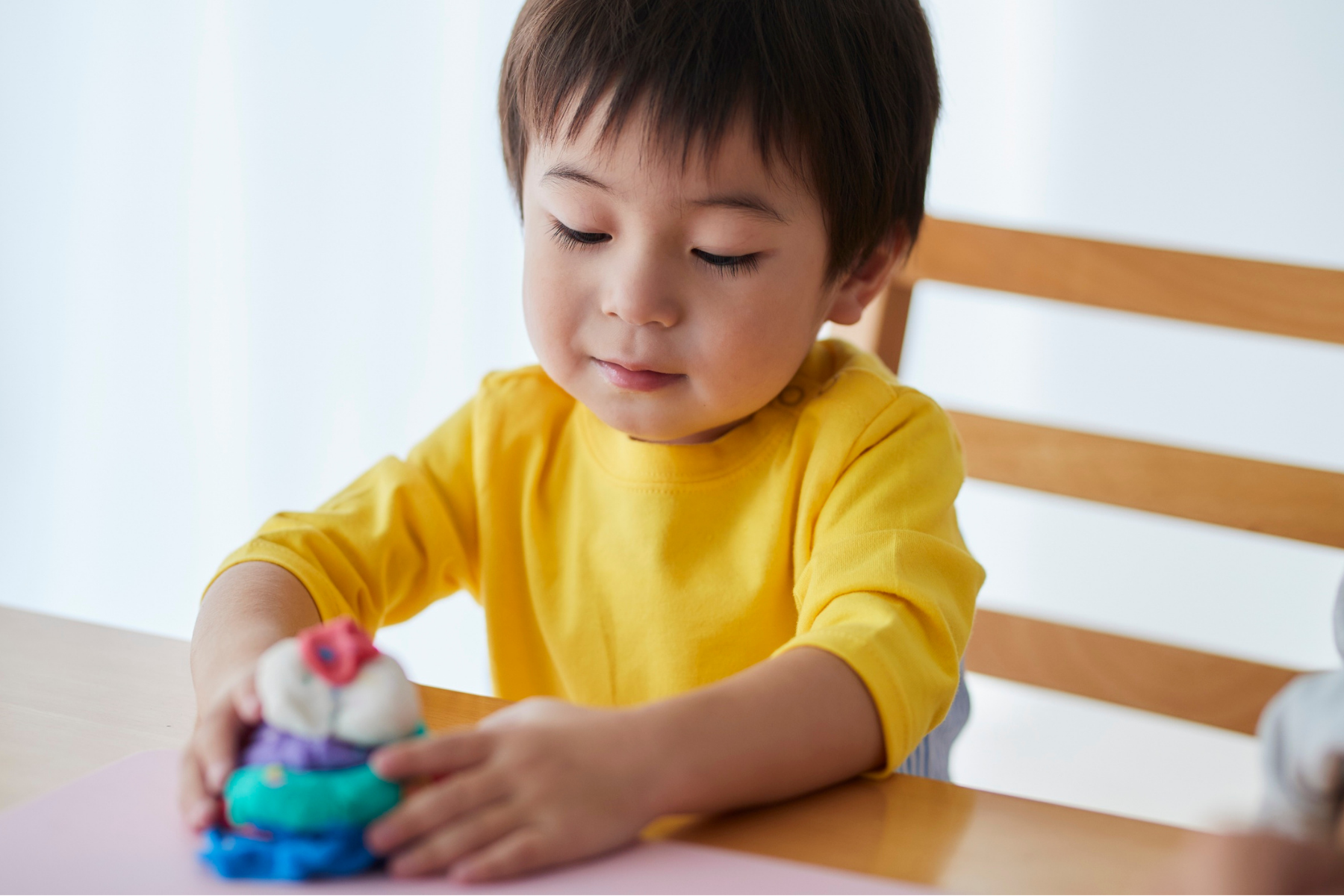
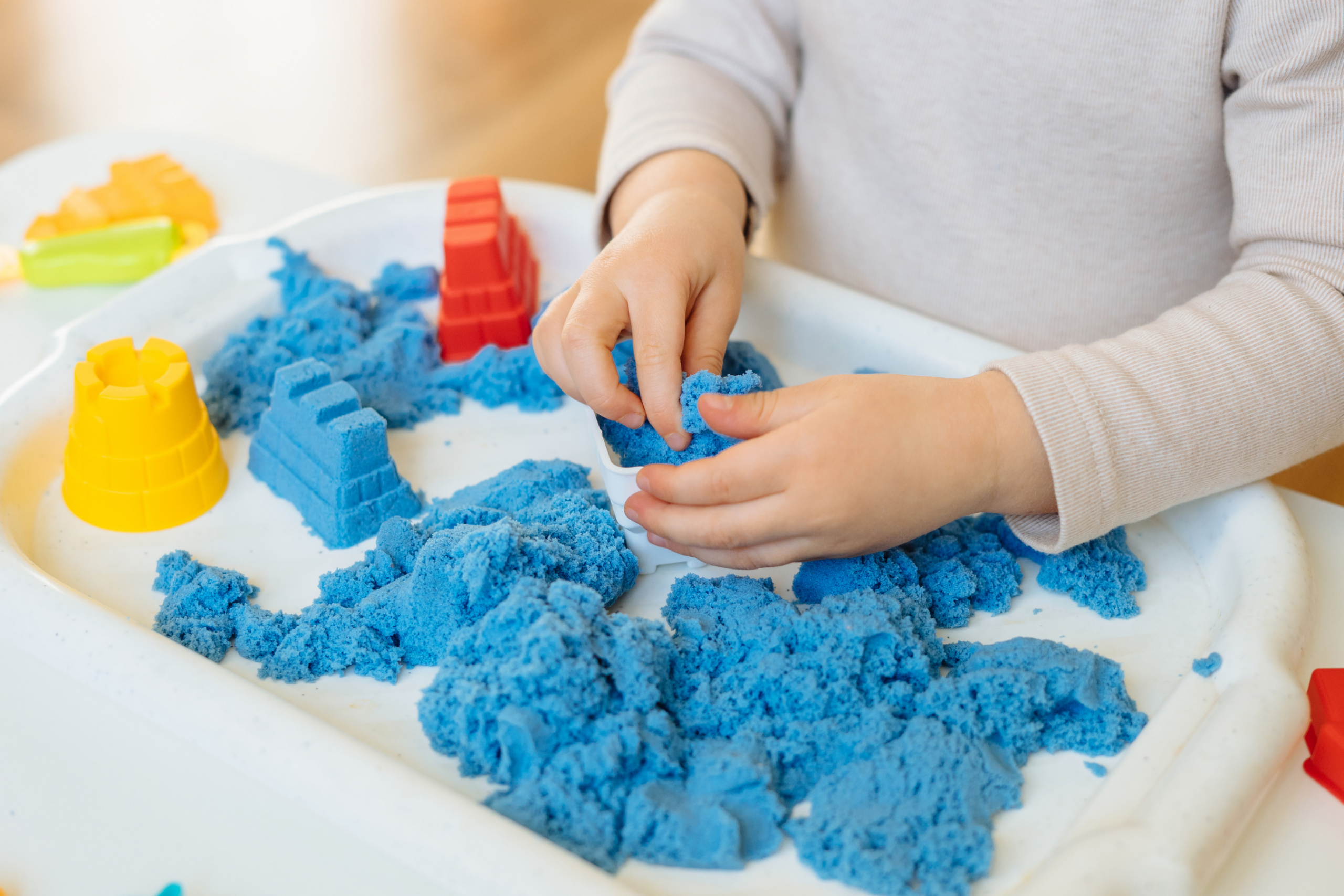
Play-dough is one of the best tools for building hand strength. It’s soft, moldable, and fun to use. Kids can roll it into balls, snakes, or letters. They can pinch it, press beads into it, or use cookie cutters to make shapes.
Here are a few play-dough activities to try:
- • Roll a ball and stick straw pieces into it.
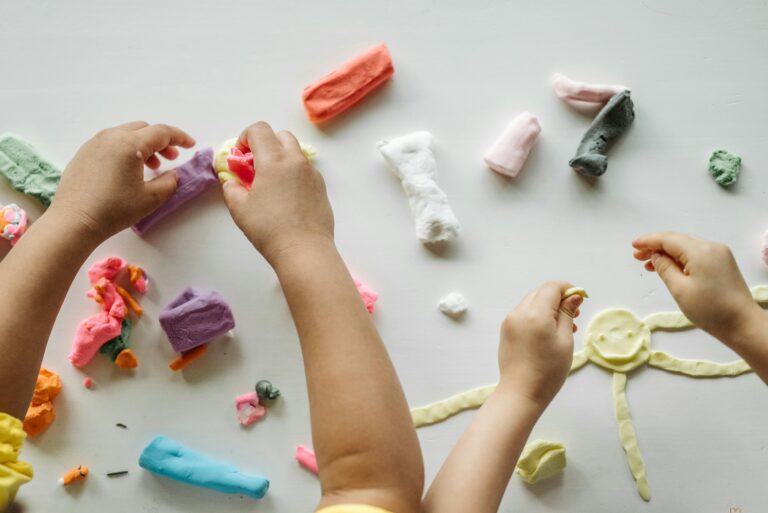
- • Make a long snake and pinch it all the way down.
- • Use both hands to roll different-sized balls.
- • Press cookie cutters into the dough to make fun shapes.
- • Roll out play-dough letters to spell your child’s name.
These activities help kids use both hands together, which is important for tasks like cutting, writing, and tying their shoes. They also build finger strength and coordination.
Everyday Activities That Help
You don’t need special toys or tools to help your child get ready to write. Many everyday tasks can build the same skills. Here are some ideas you can try at home:
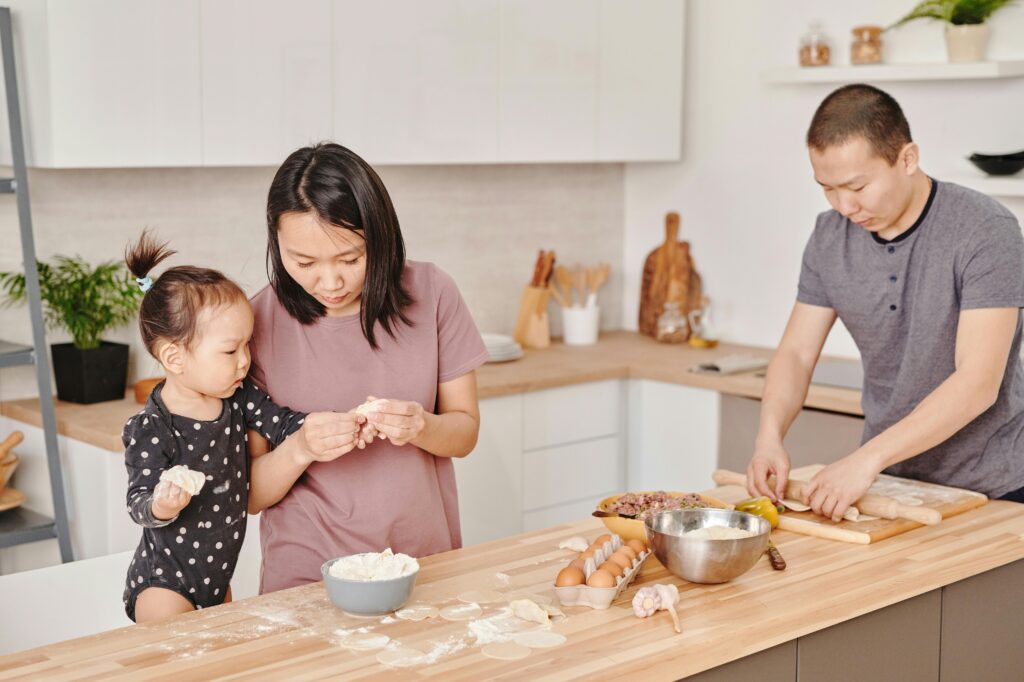
- • Cooking: Let your child stir batter, pour water, or roll dough with a rolling pin.
- • Stickers and stamps: Use them to trace lines or shapes.
- • Plastic eggs: Have your child pull them apart and match the colors.
- • Crafts: Glue pasta or beans onto shapes or letters.
- • Bead stringing: Use shoelaces and cereal like Fruit Loops to make necklaces.
These activities help children use their “pinching fingers”—the thumb and index finger—which are key for holding writing tools. They also teach kids how to use both hands together, which is important for many school tasks.
Tips for Parents
Helping your child get ready to write doesn’t mean sitting them down with worksheets.
Instead, focus on play-based learning that builds the skills they need. Here are a few tips to keep in mind:
- • Make it fun: Kids learn best when they’re having fun. Turn activities into games or challenges.
- • Be patient: Building hand strength and learning proper grip takes time.
- • Offer choices: Let your child pick which activity they want to do.
- • Model the task: Show your child how to do it first, then let them try.
- • Celebrate effort: Praise your child for trying, not just for doing it perfectly.
Final Thoughts
Getting ready to write is a journey, not a race. By encouraging your child to play using their hands, explore textures, and practice gripping tools correctly, you’re setting them up for success in school and beyond. These activities don’t just help with writing—they also build confidence, independence, and creativity.
So next time your child is playing with play-dough, stringing beads, or helping in the kitchen, remember: they’re not just having fun—they’re getting ready to write.